How to Make Pig Manure Fertilizer for commercial purpose?
How to dispose pig manure into compost?
With the rapid development of livestock industry, a large number of feces and sewage are produced. The harmful elements in these faeces are seriously over inflated, so it is difficult to deal with them by traditional methods. Among them, pig manure is a good fertilizer for planting. However, according to the traditional natural fermentation, there are several disadvantages.
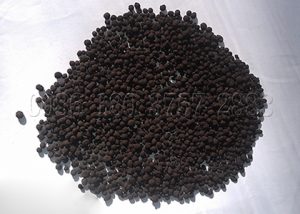
How long does it to take to compost pig manure?
1. The stacking time is long, generally takes 4-6 months, the time is low when the temperature is low, and the stacking fermentation effect is poor;
2. Long term storage occupies the site and surrounding environment;
3. Naturally, the fermented feces are rotten and smelly, and it is difficult to transport and apply directly; In pig manure disposal, welcome to https://organicfertilizerplants.com/composting-pig-manure/
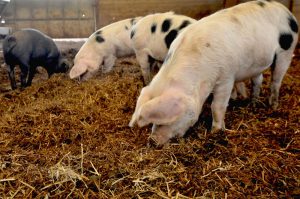
Natural fermentation time in pig manure composting
4. Natural fermentation will not remove pathogens and eggs from feces.
The state vigorously develops ecological agriculture, and modern farmers all know that organic fertilizer is a popular new fertilizer. In particular, fermented organic fertilizer is a magic weapon for growers to increase production. Now farmers can directly use animal manure to produce organic fertilizer, which not only solves the problem of difficult treatment of farmers’ manure, but also increases farmers’ income. At present, the most popular organic fertilizer is pig manure, but how to make organic fertilizer, how to control the fermentation temperature?
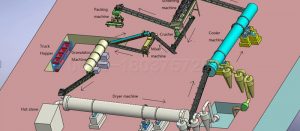
Modern technology to make pig manure fertilizer
The production process of pig manure organic fertilizer by fermentation decomposition bacteria is as follows:
1: Take 1 kg fermenting bacteria, mix 5 kg wheat bran, leather, sawdust, fine soil and other powder materials, mix well.
2: Add 10 tons of pig manure fermentation material pool, stir well.
3: Assemble aerobic fermentation, when the temperature reaches 40-50 ° C, roll, continue aerobic fermentation until the temperature reaches 40-50 ° C, stack tightly, seal with plastic cloth or waterproof oil agent for anaerobic fermentation (peripheral compaction, prevent gas leakage).
4: The optimal temperature for compost fermentation is 25-35 ° C and the fermentation time is 7-14 days (depending on the season).
5: Success criteria: Fermented composting, with fragrance and no peculiar smell.
In the fermentation process, we can use the compost turning machine that our company has been studying for many years. In the second half of fermentation, stirring the material every day can increase the ventilation and oxygen, rotate the material evenly, and greatly shorten the fermentation time. It is very beneficial to the production of organic fertilizer.
Flat Die Fertilizer Granulation Technology in Organic Fertilizer Production
Flat die extrusion granulator for dry fertilizer granulation
Flat die extrusion granulator is a new technology product developed by our factory on the basis of many years of experience in the design and production of organic fertilizer processing equipment. Used for granulation of various organic fertilizers after fermentation, breaking through the traditional organic granulation process. There is no need to dry and crush the raw materials before granulation. (dry granulation technology) Cylindrical particles can be directly processed in batches to save a lot of energy.
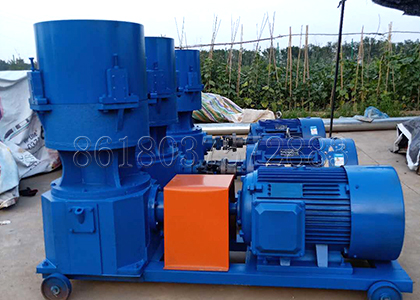
Raw materials for dry granulation by flat die granulator
The main raw materials of flat mold organic fertilizer granulator are manure (chicken, duck, pig, cattle, sheep manure, etc.), straw (wheat, rice, corn, etc.), raw materials are crushed and fermented, and then added with other nutrients for granulation.
What to do before granulation?
Raw material fermentation before production of flat mold granulator:
Before granulation of organic fertilizer, flat mold granulator must be fermented and decomposed. After mixed with grass manure, fermentation was carried out to complete harmless treatment, fully contact with oxygen, increase temperature, deodorize and decompose, and use microorganisms to improve fertilizer nutrients. Straw and manure materials usually last about 15 days and fermentation is completed. After fermentation, the sieve is used to remove impurities.
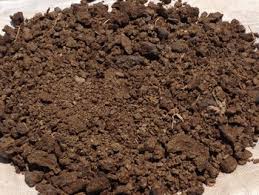
Fertilizer granulation process
The granulation process of flat mold organic fertilizer granulator is as follows
The sieved raw materials are evenly fed into the flat mold granulator, and the cylindrical particles are extruded under the extrusion of the mold. After extrusion granulation, the organic fertilizer particles have medium hardness and neat shape. The particles enter the circular throwing machine and rotate with the inner wall of the circular throwing machine. The shape is smooth and the size is uniform, which is convenient for application. Flat mold granulator in the process of processing temperature is lower, can better maintain the nutrients in raw materials. After the particles are formed, the drying and cooling steps can be omitted, and the finishing can be continued. After drying, cooling and SIE, the finished product will be stored.
It is easy to operate and low energy consumption. The dry organic fertilizer granulation production line integrates fermentation and processing, with mature technology and high production value of commercial organic fertilizer. Organic fertilizer products not only provide comprehensive nutrition for crops, but also have long-term fertilizer efficiency, which can increase soil organic matter and promote microbial reproduction.
How to dispose cattle farm manure waste into fertilizer?
How to utilize cow dung in the cattle farm?
Cow dung, from the point of view of the cattle farm, is a waste. Can cow dung be redeveloped and fully utilized? It has become the focus of attention. However, this issue is no longer a difficult point. With the introduction of various advocacy and incentive policies for the development of organic fertilizer industry by local governments, the time for large-scale and industrialized development of cow manure commercial organic fertilizer has matured.
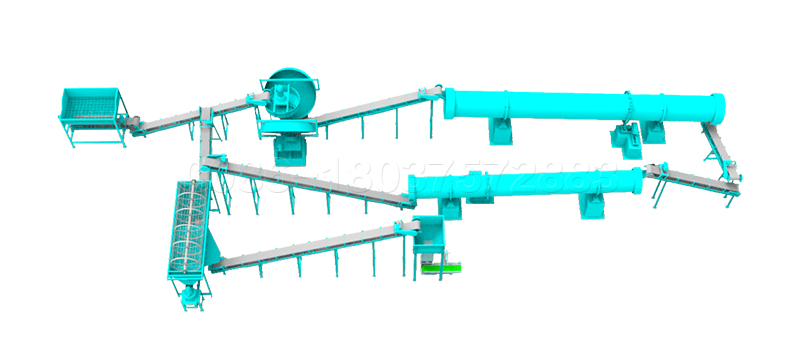
Way to make fertilizer
It was found that dried cow dung can be used as organic fertilizer after fermentation. It can shake off soil, improve soil compaction, cut trace elements in soil and improve soil fertility. The production of cow manure organic fertilizer is not through the production process of NPK fertilizer.
Cow dung is a good fertilizer to produce organic fertilizer. Dried cow dung contains 10% – 20% crude protein, 1% – 3% crude fat, 20% – 30% nitrogen-free extract and 15% – 30% crude fiber, so it has high nutritional content.

How to make fertilizer from cow dung?
How to turn cow manure, chicken manure and sheep manure into organic fertilizer? What fertilizer manufacturing equipment is needed for small-scale cattle manure organic fertilizer production line? In the fertilizer production line, the following steps are essential.
Step 1 cow manure fermentation
Cow dung and urine are collected and mixed with hay and rotten silage to control the moisture content of the organic fertilizer raw material, so that the compost can be composted and fermented. In the fermentation process, the dumper is used for the full fermentation of cow dung, only in time or even dumping can achieve the purpose. Now some places are very dry, some places are very wet, which will affect the quality of fermentation.
Step 2: mixed with other ingredients for quality fertilizer production
Compost and fermentation materials are crushed, proportioned and mixed in a batch tank through an organic fertilizer grinder and a horizontal mixer.
Step 3: machines for cow dung fertilizer granulation
The material is made of drums.
Step 4: How to screen unqualified cow dung fertilizer pellets out?
The particles in granulation system have different particle sizes, which need to be screened and classified. The selected rotary screen needs low vibration, low noise and convenient screen replacement, and is equipped with screen surface cleaning device.
It is suggested that an automatic reflux system should be equipped to screen out the unqualified large and small particles, which will be transported through the belt elevator and sent to the granulator to continue granulation after being crushed again, which will help to improve the continuous operation capacity of the production line.
Step 5: machines to dry cow dung pellets
The organic fertilizer dryer is used to further remove the moisture in the sieved particles to meet the standard requirements for the moisture content of organic fertilizer.
Step 6: Get dried cow dung pellets for bagging
A cooler is used to cool the granular material, which facilitates the storage and quality of the particles.
Step 7: packaging cooled fertilizer for sale
The cooled granular material is transported to the finished product warehouse by bucket elevator. Granular materials can be weighed and packed quantitatively by automatic packing scale.ow